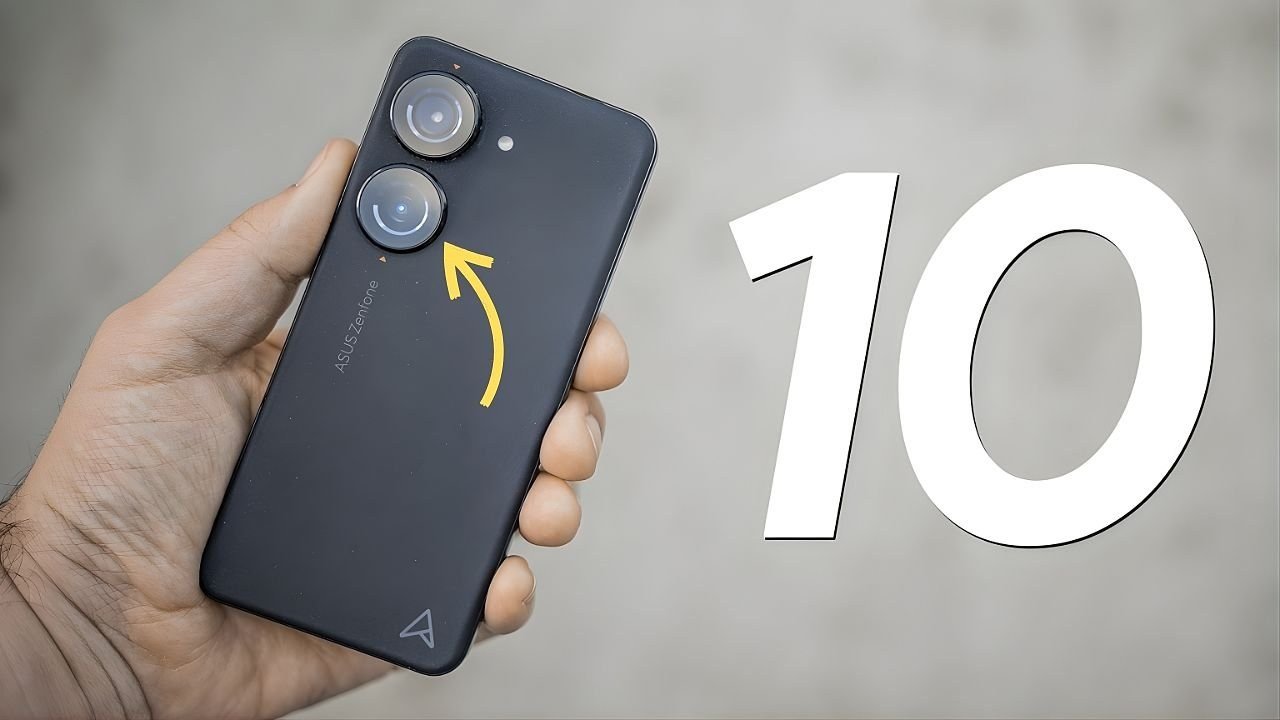
Asus Zenfone 10 5G Debuts: The Asus Zenfone 10 5G remains a standout compact flagship even in 2026. Launched originally in 2023, this small-but-powerful phone continues to receive security updates and offers a compelling mix of performance, camera quality and pocketable design. For users who prefer one-handed use without compromising on specs, the Zenfone 10 still makes a strong case.
Design and display: flagship quality in a compact body
The Zenfone 10 measures 146.5 x 68.1 x 9.4 mm and weighs under 172 grams, making it one of the last truly compact flagships on the market. Its 5.92-inch Super AMOLED panel delivers 1080 x 2400 pixels at roughly 445 ppi and supports a variable refresh rate up to 144Hz for smooth animations and gaming. Gorilla Glass Victus protects the screen while peak brightness around 1100 nits helps outdoors visibility. The phone also carries an IP68 rating for dust and water resistance and retains a 3.5mm headphone jack, a welcome feature for wired audio fans.

Performance and software: powerful internals
Under the hood the Zenfone 10 uses the Snapdragon 8 Gen 2 chipset, which, paired with up to 16GB of RAM and UFS 4.0 storage up to 512GB, delivers strong sustained performance. Whether you’re editing 4K clips or pushing games at high settings, the device remains responsive thanks to efficient thermal design. Asus’ ZenUI on Android started with Android 13 and has been updated up to Android 15 as of early 2025. The company committed to two OS upgrades and four years of security patches; the Zenfone 10 received a February 2026 security update, although Android 16 is not included in its official upgrade path.
Camera and battery: surprising strengths
Camera hardware on the Zenfone 10 punches above its size. The primary 50MP Sony IMX766 sensor with gimbal-based OIS stabilizes shots and helps in low light, while a 13MP ultrawide lens expands framing options. The 32MP front camera produces clear, natural selfies and handles video calls well. Image processing trends toward vibrant colors and reliable portrait results. Battery capacity sits at 4300mAh and, thanks to efficient silicon and adaptive refresh, the phone typically lasts a full day under heavy use and can stretch to two days with light use. Charging is handled via 30W wired charging (about 50% in 30 minutes) and 15W wireless charging support.

Real-world use and availability
Owners praise the Zenfone 10 for true one-handed convenience and a clean user interface. In markets like India, refurbished units trade hands between roughly ₹25,000 and ₹55,000 depending on condition and configuration, which represents strong value for the specs. Some downsides remain: the smaller screen can feel cramped for users with large thumbs, there’s no microSD slot for expandable storage, and the in-display fingerprint sensor can be inconsistent at times. Still, for photographers and content creators who value portability, the phone works well as a daily driver.
Asus’ strategy shift and what it means for the Zenfone line
In 2026 Asus announced a strategic pause on new Zenfone and ROG Phone launches, redirecting focus toward AI hardware and other priorities. Company leadership has stated they are not exiting the smartphone market entirely, but the pause leaves the compact flagship niche uncertain. Without a new Zenfone successor, interested buyers may look to alternatives like compact iPhone models or Sony’s Xperia 5 series. For current Zenfone 10 owners, Asus continues to provide updates and support for existing models.

Conclusion: why the Zenfone 10 still matters
The Zenfone 10 5G remains a rare example of a truly compact flagship that balances performance, camera capability and everyday usability. Even three years after launch it holds up well thanks to solid hardware and continued software support. If you find a well-priced refurbished unit, it’s worth considering for anyone who wants flagship power without a large phone.